Advancements in Contact Lens Technology: New Innovations for Wearers
24 JAN 2025
Contact lens Eye health
If you’ve been too scared to try contact lenses or unable to comfortably wear them in the past, with the latest advancements in contact lens technology, there is no better time than now to explore your options.
While contact lenses are a practical, convenient, and safe alternative to prescription glasses, a study found over 50% of wearers experience discomfort, such as dry eye syndrome, redness and irritation. These can cause many people to reduce how long they wear them and even abandon their contact lenses altogether. The good news is there have been significant developments in contact lens technology in Australia, making them more comfortable and convenient to wear. With the latest contact lenses, there’s no such thing as one size fits all. From extended-use contacts to UV protection, you now have the freedom to choose what best suits your eyes and lifestyle.
So, what are these groundbreaking advancements? In this article, we’ll discuss the various components of a contact lens, such as the materials, design and function, and explore how the most recent contact lens innovations in 2025 can help improve your eyes’ restoration, health and vision.
New Contact Lens Material Innovations
Soft vs hard contact lenses
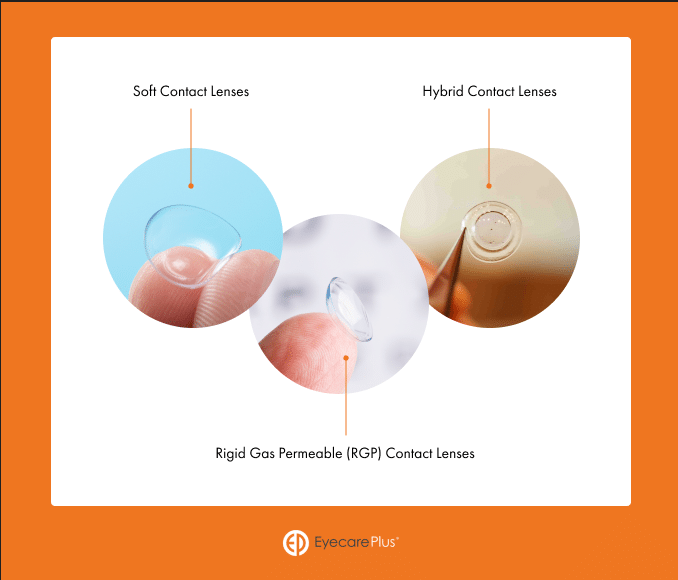
Since their introduction in 1887, contact lens technology has continuously been developed to pursue complete comfort and sight restoration. For many years, the only option on the market was Rigid Gas Permeable (RGP) contact lenses, which were made from hard plastic. While proficient in providing clearer vision, its inflexible material has often been a source of irritation for many people’s eyes.
Nowadays, hard contact lenses are largely worn by people with specific eye conditions, who are unsuitable candidates for soft lenses. Although they can leave uncomfortable wear, their crisp quality is a desirable feature that has now been put to better use thanks to recent technological advancements. More on that later.
Stepping onto the scene in the late 90s, silicone hydrogel lenses — made from a soft hydro-based plastic material — were a profound new benchmark for comfortable contacts. While this material has been popular for many years, recent developments have taken the comfortability and efficiency of silicone hydrogel lenses to a new level. More recently, they can better cater to specific conditions.
Silicone Hydrogel Lenses
With recent modifications to silicone hydrogel lenses, studies have found the latest contact lenses to be more comfortable to wear for extended periods. Here’s why:
- Enhanced wettability: This enhancement helps retain moisture in the eye by providing a continuous tear film on the lens surface, preventing dryness and irritability.
- Increased oxygen permeability: Silicone Hydrogel contacts feature a porous build, allowing more oxygen to permeate the eye. Not only does it provide more comfortable wear, but it helps manage issues of hypoxia, which manifests in blurry vision, red eyes, and prolonged discomfort.
- Easier to handle: It was found that 25% of wearers discontinued wearing contacts due to the difficult application and removal process. Contacts have now been modified to be slightly firmer than their soft lens counterparts, making them much easier for people to handle.
Hybrid Lenses
Advancements in optical science have paved the way for hybrid lenses, which combine the sharp vision of hard materials with the porous and comfortable properties of soft materials. With an RGP centre and a soft silicone hydrogel skirt, wearers can benefit from the best of both contact lens materials, further enhancing their perception and eye restoration.
Vision Enhancement Lenses
Just like fingerprints, no two eyes are the same. Previously, contact lenses were crafted with a generic design, making them very uncomfortable or futile for people with various eye shapes, conditions and symptoms. With the latest contact lens technology advancements, many types of lenses have been trialled to better cater to specific conditions. These advancements will allow you to see more clearly, help minimise the progression of certain conditions and find improved comfort in contact lenses. Some lens designs that have been recently released or are under development include:
Toric lens
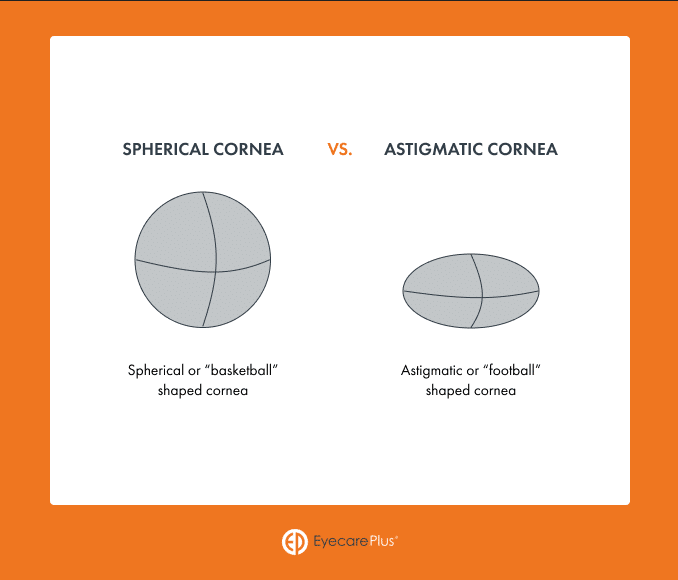
Astigmatism is a condition where the cornea or eye’s lens has an irregular curvature, resulting in blurry and distorted vision. Toric lenses are specifically tailored to fit eyes that aren’t rounded, helping to correct vision and improve comfort. Traditionally, toric lenses often had issues with inconsistent clarity; however, the latest technological advancements have improved consistency and stability.
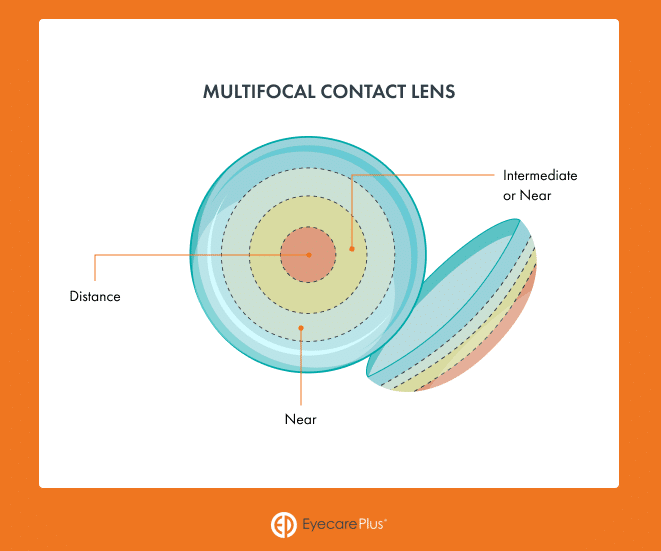
Multifocal lens
Developed to correct presbyopia, multifocal lenses are a highly advanced solution for people with multiple prescriptions. They can help restore near and distant vision simultaneously, allowing eyes to quickly adapt to surroundings without switching glasses.
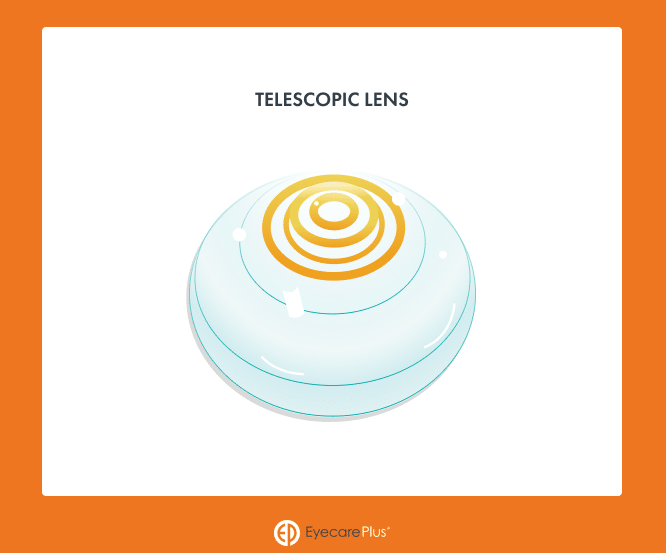
Telescopic lens
As one of the newest developments in optic science, telescopic lenses are designed to improve the sight of people with Age-related Macular Degeneration (AMD). These lenses target their symptoms using built-in telescopes to magnify images and project them on the healthy part of the retina. Telescopic lenses are still in various clinical trials and are unavailable to purchase.
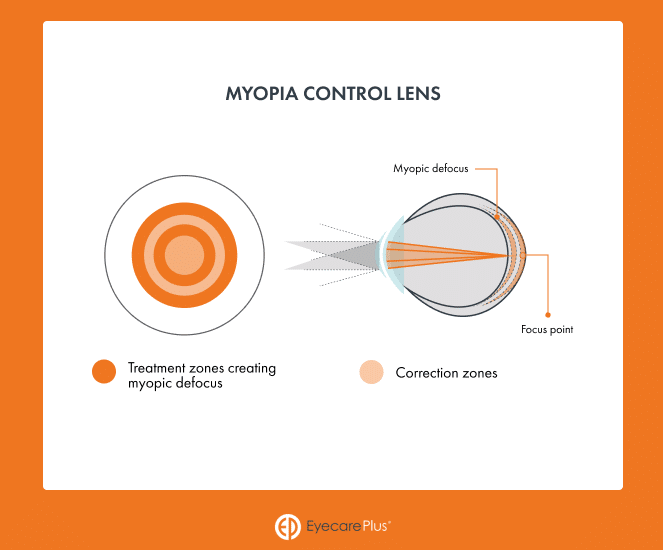
Myopia control lens
Recent developments have employed multifocal designs to correct short-sightedness and slow myopia progression. Myopia control lenses are a breakthrough innovation intended for children, with treatment ideally starting at ages 7-12.
Functional Advancements
The latest contact lens technology advancements have enhanced the functionality of regular contacts with additional coatings and features that maximise their benefits. These developments reduce the impact of harmful environmental factors, preventing further eye damage while correcting your vision. Some additional coatings and features you can now add to your contact lenses include:
UV Protective lens
Extended and unprotected exposure to harmful UV rays can damage more than just your skin — it is linked to certain eye conditions, such as cataracts, AMD and photokeratitis. A UV protection coating on your contact lens acts as a barrier, filtering out damaging UV rays to help safeguard your eyes from sun damage.
Blue-light blocking lenses
Artificial blue light is emitted from man-made sources such as digital devices. Extended exposure to devices can result in Digital Eye Strain and potentially cause you to experience symptoms of blurry vision, dry eyes and soreness. You can add a blue-light coating to your contact lenses to filter out damaging blue light and shield your eyes from strain during work and while using your personal devices.
The Future of Smart Contact Lenses
Recent breakthroughs in optic science and technology have demonstrated the future of contact lenses. With prototypes currently under clinical trial and review, contact lenses are being developed to integrate ‘smart’ technology and wireless communication to expand their capabilities and deliver real-time information to wearers. This has the potential to revolutionise sectors outside of optometry. Some innovations include:
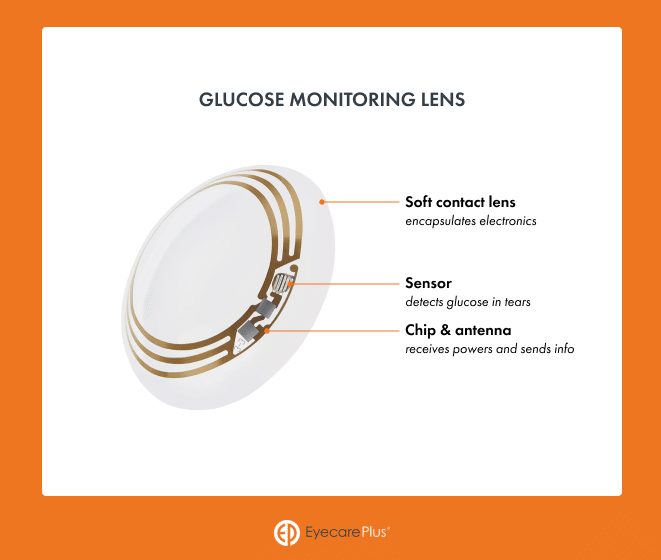
Glucose Monitoring lens
This prototype uses ultra-thin transistors that register the wearer’s physiological state to detect glucose levels from tear fluid and corneal temperature. It hopes to help people with diabetes monitor their condition.
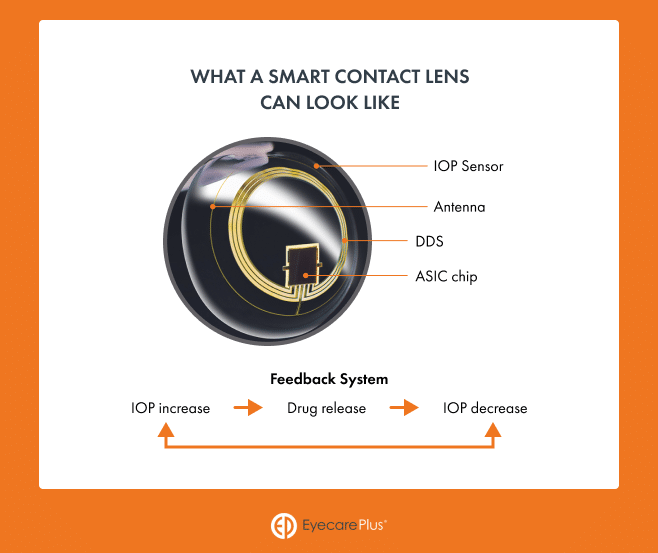
Intraocular Pressure Lens
IOP contact lenses use tiny sensors to measure pressure in the eye to help detect early stages of glaucoma. They have also been tested to provide real-time assessments of IOP levels and help deliver prescribed treatments accordingly.
Augmented Reality lens
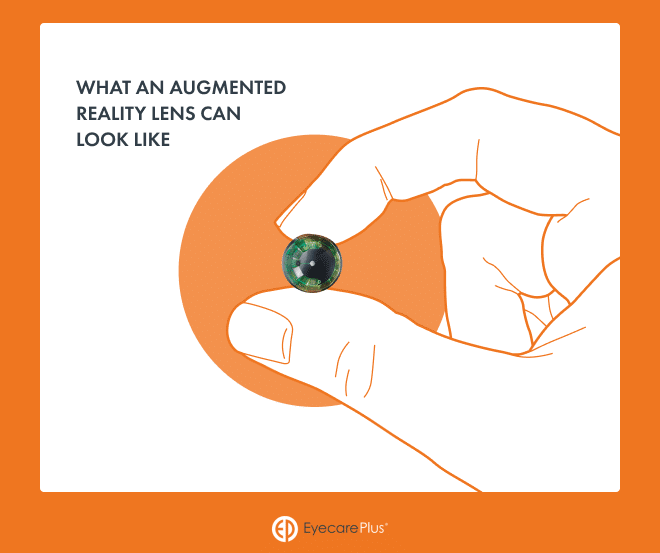
With prototypes made of the same contact lens materials you’re used to, AR lenses have the potential to be embedded with flexible micro batteries, tiny LED displays, and wireless communication components. The latest prototypes use these innovations to overlay digital information onto wearers’ real-world view, providing future possibilities to enhance the medical, gaming, and education sectors.
Eco-Friendly Developments
With daily contact lenses becoming a popular and convenient choice for frequent contact lens wearers, there is a pressing concern over excess packaging. Technological advancements have paved the way for more durable silicone hydrogel lenses, allowing for weekly and monthly soft contacts — providing a more affordable and long-lasting alternative to daily lenses. But which option is more sustainable?
Research has discovered that daily disposables generate 27% more annual waste than their reusable counterpart when compared to full-time daily contact use vs full-time monthly contact use.
If you rely on contact lenses to aid your vision, it might be time to switch to a monthly prescription to improve your carbon footprint. However, if your contact lens use is sporadic, as long as you recycle and dispose of your contacts correctly, you can remain environmentally conscious while wearing the best option for your lifestyle.
Find your tailored Contact Lenses at Eyecare Plus today
To maximise your vision and comfort, shop the expansive range at Eyecare Plus to benefit from the latest contact lens innovations in 2025. From vision enhancement lenses to contact lenses for eye health, we offer a curated selection of daily and monthly contacts — so you can navigate your prescription according to your needs.
Find your local optometrist to learn more about your options, and book an appointment for a contact lens fitting and a new prescription today. Our comprehensive eye examinations are tailored to your individual eye health so you can feel comfortable and confident wearing your contact lenses all day, every day.
Book an appointment with
your local Eyecare Plus
Optometrist today.


 Return to Stories