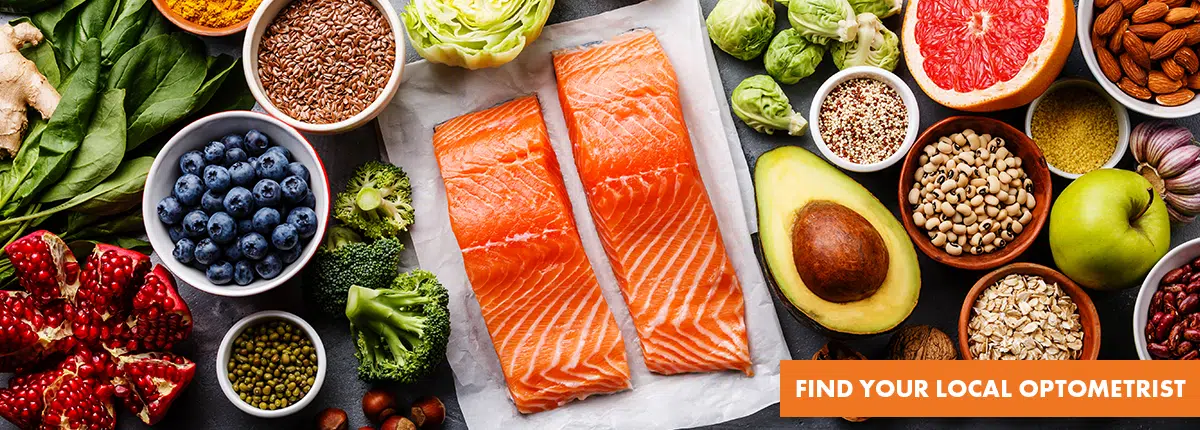
Best Foods to Boost Your Eye Health
8 OCT 2024
Eye health
Nutrition has long been recognised as the key benefactor of health and well-being; however, people tend to turn a blind eye to its critical role in maintaining eye health. Incorporating nutrient-rich foods into your diet can help protect your vision and prevent or delay common eye conditions. Some conditions that can be affected by diet include:
- Cataracts: This occurs when proteins in the lens begin to break down and clump together, causing cloudiness in the lens of the eye. They typically present in blurry vision and night blindness.
- Age-Related Macular Degeneration (AMD): AMD is a leading cause of vision loss in older adults. Aging can cause damage to the macula, the central part of the retina, impairing the ability to see in detail or focus.
- Dry eye disease: This disease can be temporary or chronic. Dry eyes occur when there is improper lubrication on the eye’s surface. There are many reasons why this can occur, most of them relating to lifestyle factors, such as increased exposure to windy climates, medications, screen time, and more.
If you have developed any of the symptoms listed above, contact an eye specialist near you or visit your local Eyecare Plus affiliated clinic.
Understanding Eye Health and Nutrition
A balanced, healthy diet, active lifestyle and regular eye examinations are key components in ensuring long-term healthy eyes. Our eyes rely on specific vitamins and minerals to function correctly and remain healthy. Nutrients like vitamins, zinc, lutein, zeaxanthin, and omega-3 fatty acids have been linked to lower risks of AMD, cataracts, dry eyes and potentially other eye conditions.
The role of antioxidants in eye health
Antioxidants are needed for fighting free radicals (unstable molecules produced naturally in the body). Free radicals can also be introduced via lifestyle factors such as pollution, cigarette smoke, and UV radiation. These molecules are significant aging and damaging cells, including eye cells. Free radicals are associated with both AMD and cataracts.
How do antioxidants work?
Antioxidants are substances that can stabilise and prevent free radicals from causing cellular damage. This process helps protect cells and tissues from oxidative stress and inflammation. Every eye is susceptible to oxidative stress, as it is primarily caused by excessive exposure to light and UV radiation. Antioxidants minimise oxidants and, thus, are beneficial in preventing certain eye diseases.
This guide explores the six most important antioxidants for eye care. Keep reading for helpful food recommendations and eye health tips so you can make informed dietary choices.
For more information about eye care, contact an optometrist near you or visit Eyecare Plus.
Eye health and nutrition
1. Vitamin A
Vitamin A is an antioxidant that maintains the retina’s health and controls the eye’s central vision. To ensure clear vision for as long as possible, or if you’re already struggling with vision problems, try to incorporate more of these foods into your diet:
- Leafy green vegetables: kale, broccoli, spinach
- Orange vegetables: carrot, sweet potatoes, pumpkin
- Dairy products: whole milk, cheese, yoghurt, butter
- Fish: clams, trout, tuna, salmon, mackerel
If you’re looking for a boost in Vitamin A levels, try out a few recipes that include a handful of the items listed above. A silky sweet potato and kale soup with coconut milk or a simple smoked salmon and cream cheese sandwich are some easy and delicious recipes that take you that extra step closer to healthy eyes.
2. Vitamin C
Vitamin C helps protect the eyes from damage caused by free radicals. As people age, however, Vitamin C levels naturally decline, making the eye more susceptible to oxidative stress. This can be counteracted by eating foods high in this antioxidant. Citrus fruits, berries and some vegetables are particularly helpful in preventing vision loss:
- Citrus fruits: oranges, grapefruits, lemon
- Berries: strawberries, blackberries, raspberries
- Other fruits: kiwi fruit, tomatoes, papaya
- Vegetables: broccoli, cauliflower, Brussels sprouts
Many of these ingredients can be enjoyed independently or combined into a vibrant fruit salad rich in Vitamin C. For example, placing some broccoli, cauliflower, and Brussels sprouts on the side of a nice roasted lean meat with some gravy is another easy alternative to increase your veggie intake and help prevent cataracts and AMD.
3. Vitamin E
This antioxidant is highly important for protecting cells, including eye cells, from oxidative damage. Vitamin E is also simply a key component in managing healthy tissue across the whole body, with Vitamin E CREAM being a common antidote for scars and burns. A healthy alternative to prevent age-related decline and support eye repair is to eat more of these certain foods:
- Nuts and seeds: hazelnuts, peanuts, almonds, sunflower seeds
- Oils: wheat-germ oil, sunflower oil, safflower oil
- Leafy greens: spinach, turnip greens, swiss chard
- Fish: salmon, rainbow trout, anchovies
You can make some substitutions in your cooking to better incorporate Vitamin E into your diet. For example, by swapping out olive oil for sunflower oil; you would save money and invest in good vision. Choosing a handful of nuts instead of chips is another great substitution.
4. Lutein and Zeaxanthin
Lutein and zeaxanthin are potent antioxidants found in high concentrations in the retina. They are the only two carotenoids found in the retina, hence they play a vital role in central vision. Carotenoids are the antioxidants that give yellow, orange and red produce their pigment. These nutrients are specialised in maintaining vision by absorbing harmful blue light and neutralising free radicals.
By improving the pigment in the eye, these foods enhance the eye’s ability to filter out damaging light:
- Dark leafy greens: kale, spinach, swiss chard
- Other vegetables: broccoli, asparagus, corn, pumpkin
- Fruits: kiwi, grapes, oranges, capsicum
- Other foods: egg yolks, pistachio, corn chips
A great way to start your day is with a filling, nutritious breakfast that contains high levels of lutein and zeaxanthin. Fry up a tasty omelette mixed with wilted spinach and corn, and eat that with a side of freshly squeezed orange juice, and you’re all set. For a snack, bring back the kale chip recipe that was trending a couple of years ago, or if you want a quick fix, a handful of corn chips will satisfy your salty craving whilst also providing eye protection from any harmful light.
5. Omega-3 Fatty Acids
Omega-3 fatty acids, particularly DHA (docosahexaenoic acid), are vital for retinal health. These fatty acids, which the body cannot produce independently, have anti-inflammatory properties that prevent AMD and dry eye syndrome. Foods high in omega-3 fatty acids include:
- Seafood: salmon, mackerel, tuna, shellfish
- Nuts and seeds: flaxseeds, chia seeds, walnuts, hemp seeds
- Plant oils: flaxseed oil, soybean oil, canola oil
Health experts recommend incorporating fish into your diet at least twice a week to help ensure adequate intake of these necessary fatty acids. Getting creative can also be a good way to include more omega-3s in your diet. Preparing some chia seed puddings in little mason jars is a fun idea for a tasty breakfast or a healthier dessert. Mixing in a spoonful of peanut butter or almond butter will add that extra flavour kick when fueling your body.
6. Zinc
Zinc is a mineral that plays a significant role in maintaining retinal health. It helps transport vitamin A from the liver to the retina to produce melanin, a protective pigment in the eyes. Zinc deficiency can lead to poor night vision and other eye problems. Maintaining adequate zinc levels can help prevent macular degeneration and other eye conditions associated with aging. Good dietary sources of zinc include:
- Legumes: beans, lentils, and chickpeas
- Meat and Seafood: oysters, beef, pork, poultry
- Dairy Products: milk, cheese, yoghurt, dark chocolate
The Mediterranean diet has the perfect blend of ingredients that are rich in zinc. Hummus is a simple but delicious dip that you can make yourself. With chickpeas as the primary ingredient, it is also infused with garlic, tahini, and olive oil to ensure maximum flavour and texture. You can combine this perfectly with a succulent kafta skewer on a Lebanese wrap with some cucumbers, and you have yourself a flavourful and nutritious meal.
Supplements
Although supplements are available, taking nutrients and antioxidants through whole foods is more beneficial, as supplements may not provide the same protective effects and can deter good eating practices needed for overall health.
Lifestyle and eye health tips:
Although it is important to maintain a healthy and balanced diet to prevent and prolong age-related eye conditions such as macular degeneration, cataracts, and dry eyes, many lifestyle factors can also hinder eye health. Here are some practical eye care tips:
- Screen time: Staring at screens for long periods of time can cause irritated eyes, blurred vision, and headaches behind the eyes. Keep an arm’s length distance between you and the screen to alleviate eye strain, take regular breaks, and wear blue-light glasses. Choose your blue-light frames from Eyecare Plus.
- Excessive light exposure: Long-term UV radiation exposure can harm eye cells as it increases oxidative stress. Reduce this by wearing sunglasses when outdoors; polarised sunglasses can better reduce strain and glare.
- Neglecting eye examinations: Eyes should be checked regularly, every 1-2 years, depending on age. An optometrist can spot early signs of eye conditions and degeneration, which is key in prolonging symptoms as long as possible. If you suspect your vision has degenerated, contact a local optometrist for examination as soon as possible.
Consult with your local eye specialist
Maintaining good nutrition is vital for eye care at all ages. While vitamins and supplements do not cure eye diseases, they play a significant role in preserving vision and preventing further deterioration. It is important to have regular check-ups with an eye specialist near you to monitor your eye health and address any concerns promptly.
Visit Eyecare Plus if you want to learn more about maintaining your eye care or to find an eye specialist near you. Eyecare Plus is dedicated to providing comprehensive eye care services and ensuring that your vision remains in top condition throughout your life.
Book an appointment with
your local Eyecare Plus
Optometrist today.


 Return to Stories